
One of the worst decisions an investor can make is to base their trading decisions on impulse. Every financial investment market comes with some risk, whether in the form of volatility, liquidity, or leverage risk from magnified losses.
A trading plan is a fundamental approach traders take to define how, when, and why they enter or exit trades strategically.
Without one, even the best investors can fail from emotionally driven decisions and market volatility.
Here are the key steps to creating an effective trading plan from scratch.
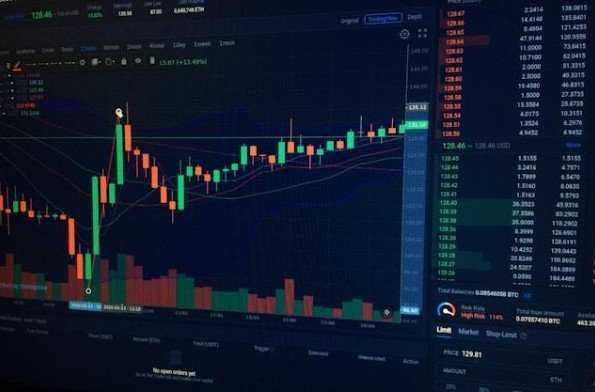
Define Your Trading Goals
Every effective trading plan starts with having a clear goal and asking yourself what you want to achieve through investments.
The answer to this will determine several key factors, including:
- The assets you invest in
- The amount of capital you need
- Your level of commitment
- Availability
Some investors enter the financial market for short-term income, while others do it as a side gig or a work-around-the-clock endeavor.
Undoubtedly, the approach taken by each of these people will differ. When defining your goals, ensure they are SMART. That is, specific, measurable, attainable, relevant, and time-bound. A practical example of a SMART goal could be, “earn a 10% return on my trading account within 6 months.”
Choose a Trading Style
After setting your goals, the next step is to choose a style. Your trading style should match your risk tolerance, personality, and goals. Some of the main types are:
- Scalping: This involves making quick, short-term trades that are geared towards profiting from minor price changes in assets’ prices
- Day trading: Day trading is also a short-term style where investors buy and sell financial assets, within the same trading day, to profit from price fluctuations
- Swing trading: In this case, traders hold positions longer for a few more days to a couple of weeks to profit from short-medium term price swings
- Position trading: Position traders are long-term investors who hold assets for weeks, months, or even years to capitalize on major price trends
It’s essential to note that these styles should mirror your goals. If you’re a short-term trader, focus on options like scalping or day trading.
Select your Markets and Instruments
The type of market you’re interested in will influence your trading plans in more ways than you think. How you trade cryptocurrencies differs from how you approach stock market assets for several reasons. The market behavior, regulations, fundamentals, and valuations are clearly different for both classes.
At the same time, these markets all come with varying levels of risk. For instance, major currency pairs in forex trading are considered less risky, while digital assets like cryptocurrencies are more volatile than others. For these reasons, selecting the right market is crucial to your success and progress as an investor. Do some research, and pick based on your risk appetite, capital, tolerance for volatility, and every other relevant factor to these instruments.
Understand Trading Strategies
Firstly, you should know that a trading plan and strategy are not the same.
So even if you already have a plan… you still need a strategy.
While the trading plan defines your goals, risk tolerance, markets you trade, and others, the strategy is a specific method or system you use to identify entry and exit points in the market. The key components of a trading strategy are market analysis tools. Technical analysis tools include charts, price patterns, and indicators that help you assess market performance and predict future movements.
The fundamental analyses evaluate economic factors, political events, and other fundamental data that can influence asset prices.
Learn how to use these instruments to trade and increase your profitability.
Create a Risk Management Framework
Without a solid risk management plan, every other part of your strategy is wasted. You could have the best entry and exit rules, but without proper risk control, a bad trade can wipe out weeks or months of your progress. A risk management plan helps you protect your capital and survive the inevitable losing streaks of trading. Some of the key elements of risk management are
- Position sizing: Decide how much of your capital to risk per trade. A common rule is to risk no more than 1–2% of your account on any single position. This keeps losses manageable and helps preserve your capital.
- Risk-reward ratio: Aim for setups where your potential reward outweighs the risk — ideally at least 1:2. For every $1 you risk, you aim to make $2.
- Stop loss orders: Always set a stop-loss before entering a trade. It’s your safety net against sudden price reversals or impulsive decisions.
- Diversification: Don’t put all your capital in one asset, market, or trade. Diversifying helps cushion losses when one market moves against you.
Turning Your Trading Plan into Profitable Trades
When setting up a trading plan, there’s a lot to consider – so take your time to understand your interests, how each market works, and the ideal approaches for your trades. While trading principles apply to different markets, it’s also important to remember that how you trade crypto assets should not mirror your approach for stock or other markets. Implement the individuality needed to make these systems work, keep an eye on prices like Korean Won and stay consistent for maximum results.